Secondee shapes future for community stores
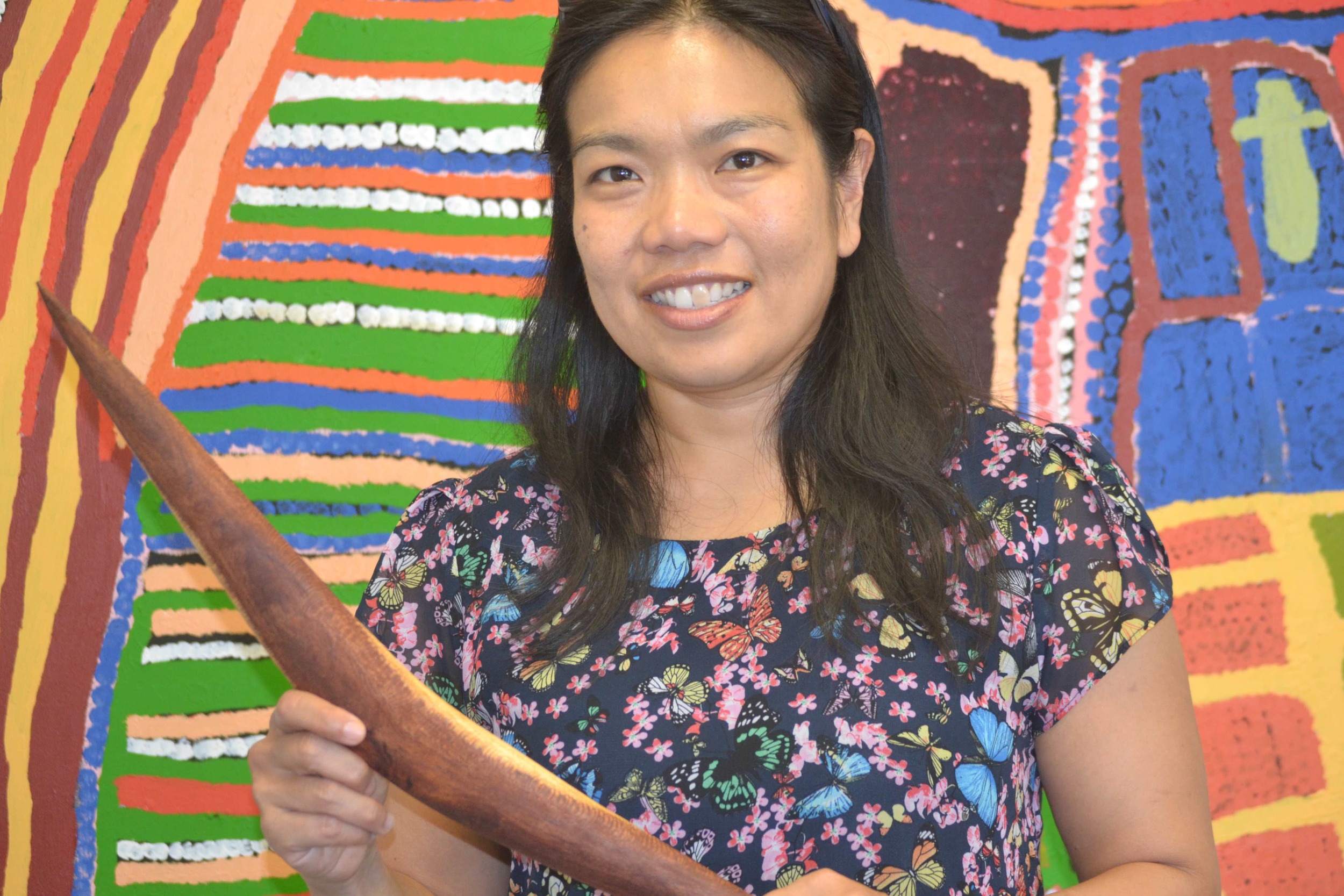
KRED Enterprises had a secondee on board from the SunCorp Group. Charlene Goh is a senior manager of four years in strategic development in the company’s risk area.

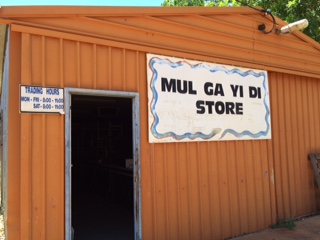
Charlene came to KRED Enterprises to undertake a strategic planning project to help progress the Aboriginal community stores initiative. The idea behind the initiative is to give the stores access to modern facilities, and communities access to fresh, affordable food. It will provide many community benefits, including employment, new skills, improved community infrastructure and greater convenience.

Charlene says she was interested in returning to the Kimberley to contribute to a region she had really enjoyed on past visits.

“I am interested in understanding more about Aboriginal culture, history, the way of life and also about getting a better appreciation of the current situation and challenges faced by Aboriginals in Australia,” says Charlene.

“KRED Enterprises is different to other Aboriginal organisations and does not received regular government funding to operate. KRED has a lot of potential, good expertise, and the right relationships, to successfully execute the plan. This would be a very exciting project for remote communities in the Kimberley, Western Australia.”

Inspired by the Indigenous leaders, elders, Traditional Owners and other Indigenous people, the journey has been truly a unique and an amazing experience. Charlene says she has learnt so much, in such a short time, and that the experience has given her a different perspective on life.

“I hope to return soon”, says Charlene.
KRED runs media workshops for kids in the Great Sandy Desert

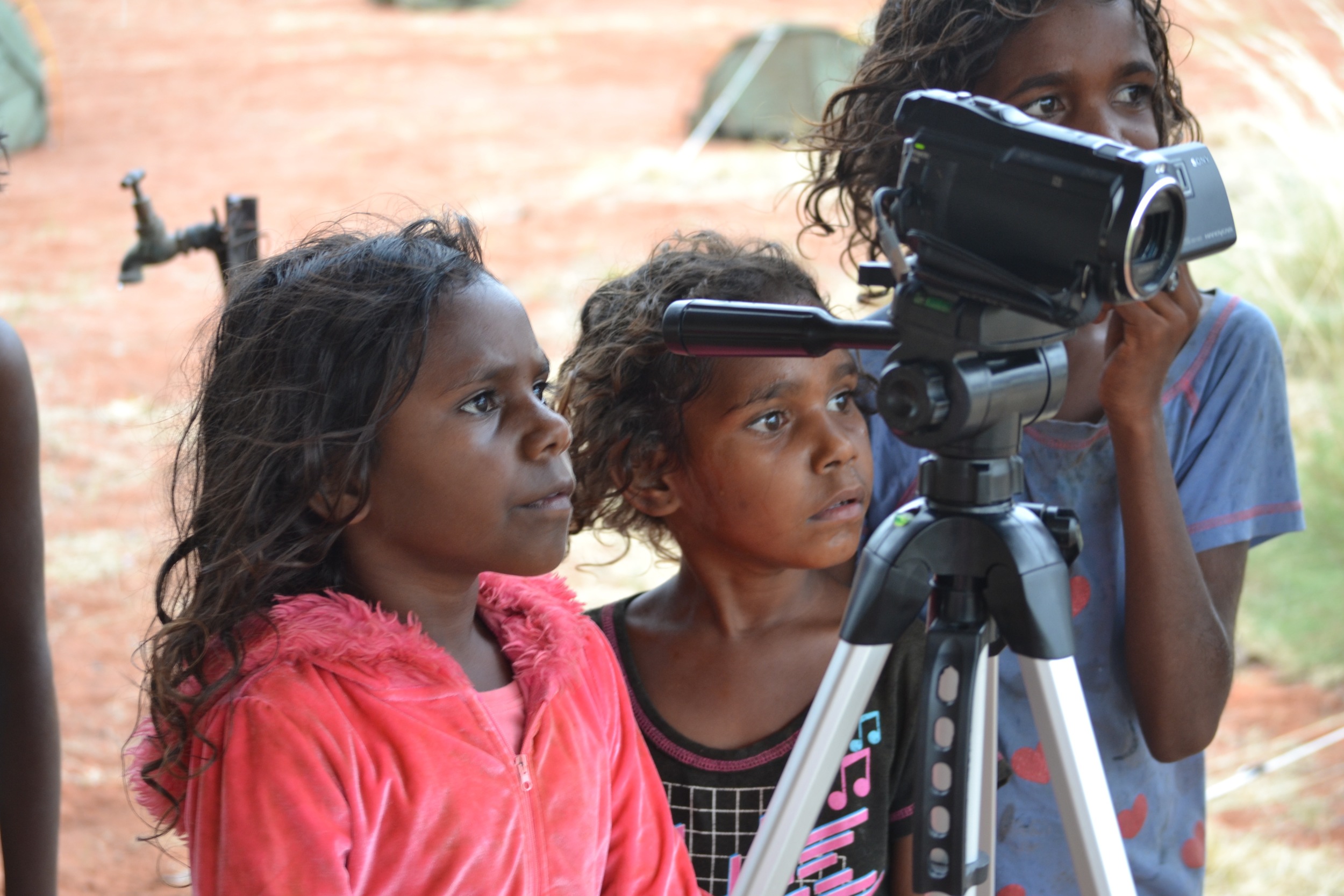
In early May, KRED Enterprises and the Kimberley Land Council media crews teamed up to run joint media workshops at the Ngurrara Cultural Camp at Kurlku. We travelled three hours into the Great Sandy Desert to work with students from Yakanarra Community School, Fitzroy Crossing District High, Wulungarra Community School and Djugerari Remote Community School. When the kids weren’t making spears and boomerangs, painting, dying their hair, or sampling traditional foods, they were with us participating in media workshops. We looked first at the principles of photography—the rule of thirds, composition, the aesthetic appeal of patterns—and then it was hands on. Students packaged, shot, did voiceovers and produced short video postcards, which were projected onto a big screen under the stars. We’ve posted some of the videos here, and some photos of the camp for you to have a look at. This is part of the wrap-around media service KRED offers to PBCs. For full details about the camp, you can check out the Yanunijarra website

Ice water has never tasted so good ...

jack and ashley.jpg

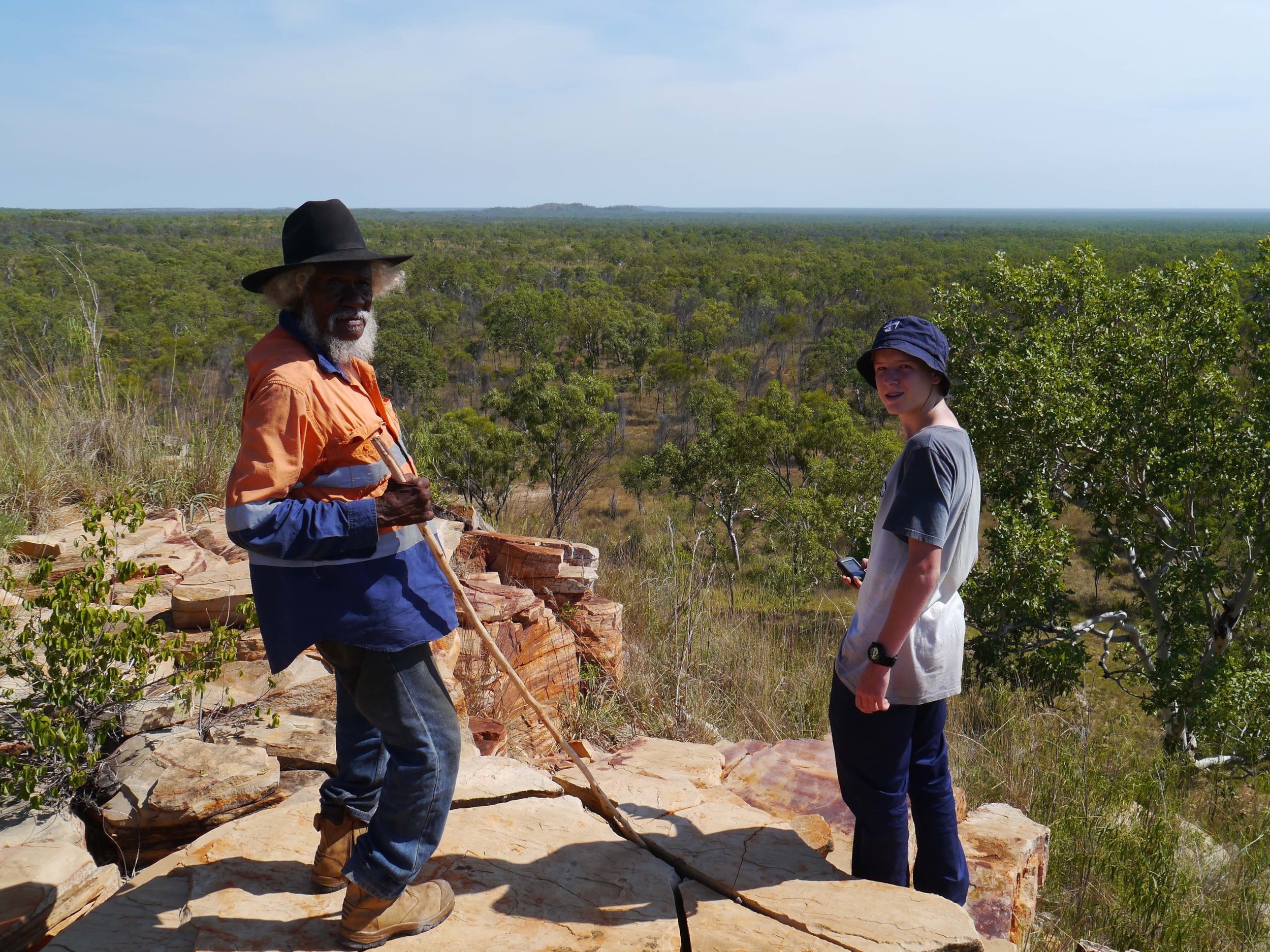
Year 10 student Jack Burgess - Pincini head out with our Environmental Heritage and Social Impact (EHSIS) team on work experience. And it was hot !!
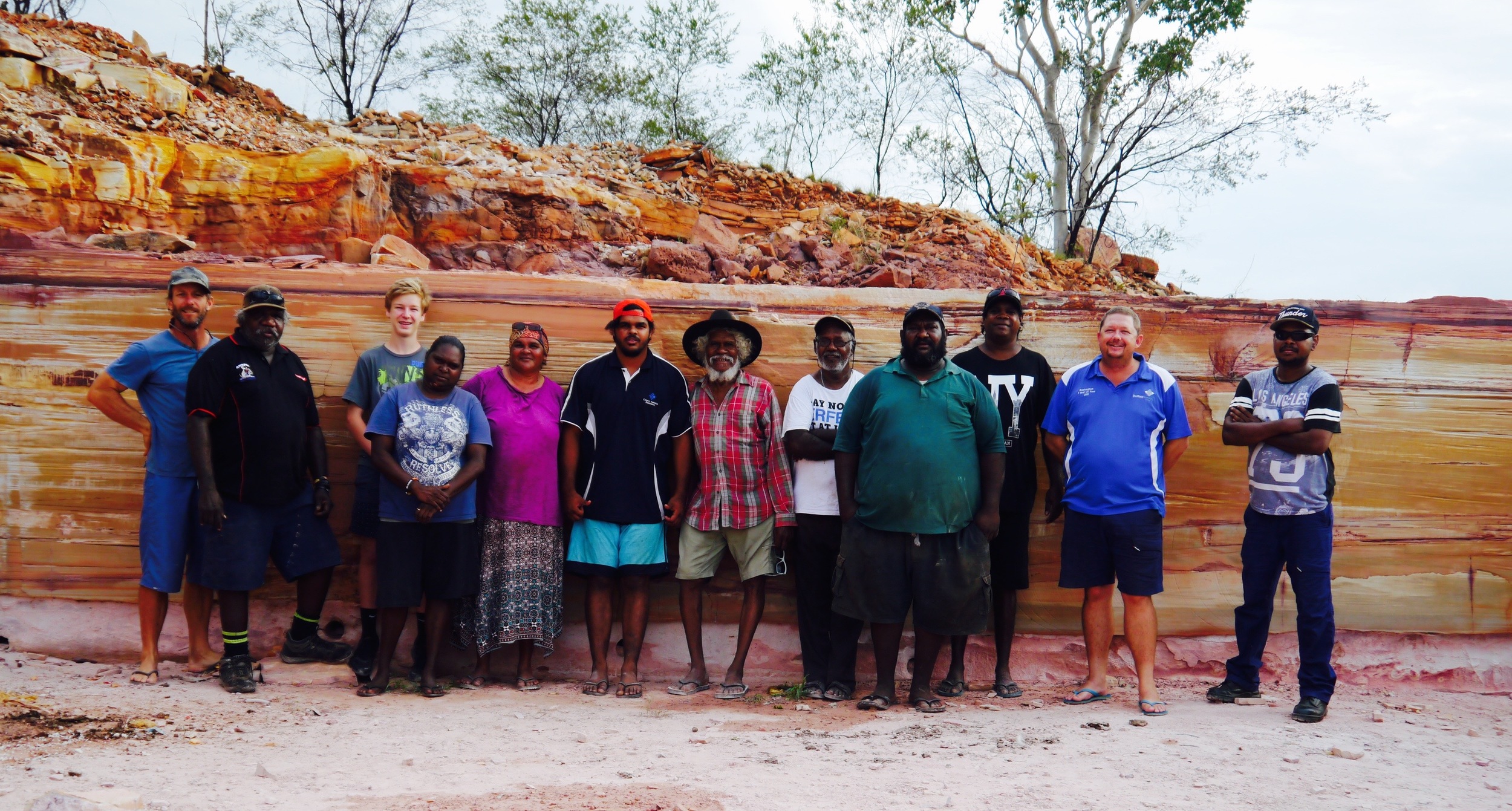
I’ve just spent 6 days in the Kimberley studying Aboriginal culture. Well, completing work experience on a heritage survey. What?? I worked for EHSIS, an environmental & heritage survey company, investigating the cultural significance of country in the care of Traditional Owners. We were assessing the land to protect culturally significant sites within a mining proposal. This involved heading out into thick bushland with Traditional Owners and an anthropologist to map the heritage sites within the land mass, and accurately create a topographical map of the area. It was very hot. 41 degrees every day! But it’s the humidity that can get ya! Ice water has never tasted so good. Each night we would return to base camp with our recordings of the day’s work. My worst moment was the loss of the G.P.S . . . momentarily. It was enough for sheer panic to set in. By retracing my steps up a rock wall I found it blazing hot in the sun. Phew, that almost stuffed it! It was quite an experience--camping and then working each day, so removed from “civilisation.” The map and identified sites we produced over the 6 days now plays a significant role in protecting this area for the future for the Traditional Owners and the broader community.  It was learning about the balances between mining and indigenous interests that I found so fascinating.

UWA Public Lecture on Coal Seam Gas

About the Lecture

Hashtag activists: Local communities, social media and the fall of Australia’s coal seam gas industry

Australia’s coal seam gas reserves hold considerable promise of both energy security and wealth with a current, estimated Asian export potential of $166 billion. Yet, the nascent industry is also highly contentious with fears of far-reaching and lasting, harmful social and environmental impacts. Local protest, most visibly through the ‘Lock the Gate’ coalition, but also through heated community meetings at locations across the country, are common. In early 2016, gas major AGL exited coal seam gas in Australia, citing economic reasons, including record low commodity prices.

But is the economic story the only one behind the downfall of Australia’s coal seam gas industry?

This lecture presents the intense and widespread debate about CSG as it spread through social media, especially Twitter. Here, journalists, concerned citizens, NGOs, companies and governments actively engaged, both on- and off-line. Were these citizens effective in revoking the CSG industry’s social licence to operate? Is hashtag activism the new future of community protest? What can we learn about the social impacts of controversial industries by understanding communities’ concerns as they play out online? And what do new realms of community engagement mean for traditional community relations and impact assessment practices?

To register click here. 

KRED Legal Update

Native Titile Compensation

Does your community have a right to be compensated for loss of Native Title?

The way that native title works is that holders of native title get the same or similar rights in relation to the acquisition or use of their land by government and 3rd parties as ordinary title holders (e.g people who own homes or have leases). This means that Traditional Owners can claim compensation for the impairment or extinguishment of their native title rights and interests “on just terms”. For example, Traditional Owners may be able to claim compensation for:

- loss of native title before 1993 due to an inconsistent grant (e.g. freehold or a national park);

- damage to native title land and/or waters from mining, such as contamination;

- social disruption from mining on native title land;

- invalid extensions or renewals of mining leases without an Indigenous Land Use Agreement in place.

This is an under-explored area in law. Despite the fact that over 20 years ago the High Court recognised the existence of native title in Australia in Mabo v Queensland [No 2] [1992] HCA 23, there hasn’t yet been a decision by any Australian court considering how much compensation might be payable for the impairment or extinguishment of native title. Compensation was awarded in the case De Rose v South Australia [2013] FCA 988, but because the amount was decided by agreement between the parties, the details remain confidential.

A compensation claim is currently being litigated in the Northern Territory over the Timber Creek town site. It is expected this will be the first time an Australian court considers how much native title may be worth in monetary terms.

We are following developments in this area of law and also looking at how compensation for loss of Indigenous land has been valued internationally, with a view to ensuring Traditional Owners are in the strongest position possible to control development on their land and waters.


©KRED Legal Pty Ltd. This information is general in nature only and should not be relied upon as legal advice.